What to Do When You Can’t Afford a Nursing Home?

Realizing that a loved one needs nursing home care can be an emotional turning point. Families often face this moment unexpectedly—after a sudden illness, hospitalization, or gradual decline in health. Amid the concern for your loved one’s well-being, another worry quickly surfaces: how to manage the financial side of care.
If you’ve reached this stage and feel uncertain about whether you’ll be able to afford a nursing home, you’re not alone. Many families struggle to find a way forward when long-term care becomes necessary. The good news is that help exists. With the right support and planning, you can ensure your loved one receives the care they deserve even if your finances are tight.
Review All Payment Options
When it comes to paying for nursing home care, families generally have a few main options—but choosing the right path depends on your loved one’s health, financial situation, and long-term goals. While some individuals can pay privately for a period of time, most families eventually need outside assistance.
Understanding how each option works—and its limitations—is essential before making any major financial decisions.
Private Pay
Paying out of pocket gives you flexibility in choosing a facility, but it’s rarely sustainable for long. Many families deplete their life savings before realizing there are better ways to cover these costs while preserving what they have left.
Long-Term Care Insurance
If your loved one purchased long-term care insurance while they were still healthy, review the policy terms. Most plans cover a portion of nursing home costs or offer cash benefits for home or assisted living care.
Medicare
Medicare may cover short-term rehabilitation following a hospital stay but does not pay for long-term custodial care. Families often misunderstand this distinction and are surprised when Medicare coverage ends.
Medicaid
Medicaid is the largest payer of long-term care in the U.S. It can cover nursing home costs once eligibility is established. Even if your loved one has savings or a home, Medicaid planning can help protect their assets while securing coverage.
Read more: When Should an Alzheimer’s Patient Go to a Nursing Home?
Explore Medicaid Planning Options
Many families assume it’s too late to qualify for Medicaid once a loved one is already in a facility—but that’s not true. Emergency Medicaid planning strategies can help reduce countable assets, expedite eligibility, and enable your loved one to obtain financial assistance for long-term care. Common tools include:
- Medicaid Compliant Annuities (MCAs): Convert excess savings into an income stream with zero cash value, allowing the applicant to qualify for Medicaid more quickly.
- Spousal Transfers: Move assets between spouses without penalty to protect resources for the community spouse.
- Other Spend-Down Strategies: Use excess funds on allowable expenses—such as home repairs, funeral plans, or medical equipment—to meet asset limits.
Working with a Medicaid planning professional ensures these strategies are executed correctly and comply with your state’s regulations.
Read more: Nursing Home Resident Rights
Don’t Wait to Ask for Help
Waiting too long to explore financial assistance can be costly. Each month of private-pay nursing home care can deplete thousands of dollars in assets that might otherwise be protected through proper planning. A Medicaid planner can help you:
- Evaluate eligibility and determine which assets are countable or exempt
- Structure your finances to qualify for benefits sooner
- Complete the application process efficiently and accurately
Remember: Even if your loved one has already entered a nursing home, it’s not too late to start. Acting quickly can make a significant difference in preserving your family’s financial security.
Consider Alternate Care Settings
If nursing home costs remain out of reach while waiting for Medicaid approval, explore short-term alternatives:
- In-home care for part-time support
- Adult day programs for supervised care during the day
- Assisted living communities (which may cost less than full-time nursing care)
These solutions can bridge the gap while Medicaid eligibility is determined or while you explore long-term options.
Take the Next Step
If you’re facing an immediate care crisis, we can help. We specialize in guiding families through Medicaid planning, asset protection, and nursing home placement. Tell us about your situation and discover how you can secure financial assistance while protecting your family’s future.
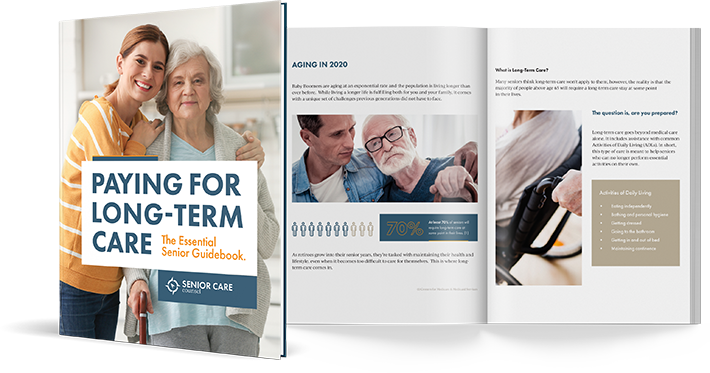
[FREE] GET OUR PLANNING GUIDE:
"Paying for Long-Term Care - The Essential Senior Guidebook"This guide takes a deep dive into the landscape of long-term care and how to pay for it without going broke, including the answers to your top questions surrounding Medicaid.
GET MY COPY