Qualified Income Trusts
What is a Qualified Income Trust?
In some states, there is an income limit to qualify for Medicaid benefits. In 2025, that limit is $2,901. However, if you or your loved one has long-term care expenses above and beyond this amount, they can still qualify for benefits. This is where a Qualified Income Trust comes in. Sometimes called a "Miller Trust," a Qualified Income Trust is an income-only trust designed to hold a Medicaid recipient's income and allow them to qualify for benefits.


How Does a Qualified Income Trust Work?
Once the trust has been established, the owner's monthly income is deposited into the trust account, which can be set up at your local bank. From there, the designated trustee of the trust (likely a trusted family member or Power of Attorney) distributes the monthly income to pay for Medicaid's allowable expenses like the individual's personal needs allowance, certain medical expenses, and the Medicaid co-pay.
When is a Qualified Income Trust Necessary?
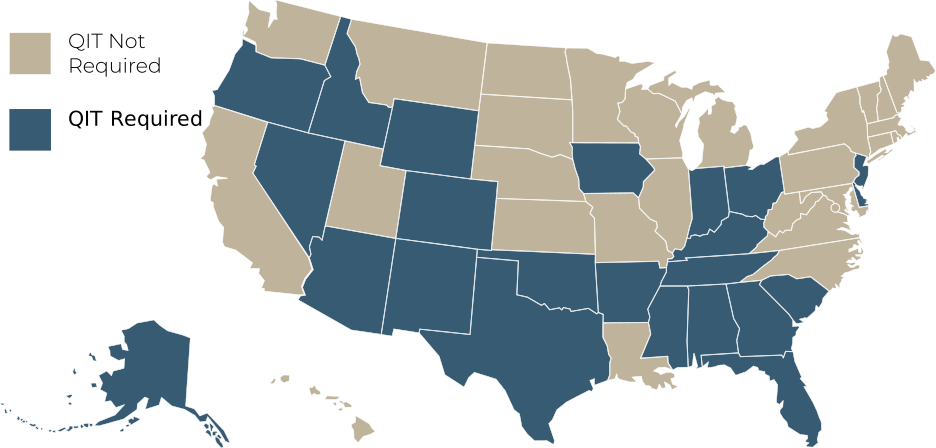
About half of all states require a Qualified Income Trust to obtain Medicaid benefits if the applicant's income is above a certain threshold. View the map below to know if one is required in your state.

How is a Trust Set Up?
Our qualified Medicaid planning professionals can help you establish the trust and apply for benefits. Contact us to get started.
START NOW >Is Medicaid Planning Right For You?
Explore More Medicaid Planning Topics

Medicaid
Planning

An Introduction to Medicaid

Medicaid Asset Requirements