How to Avoid Medicaid Estate Recovery

For many families, qualifying for Medicaid is only part of the long-term care planning journey. Another concern often emerges later: What happens after a Medicaid recipient passes away? Many people are surprised to learn that states are required to seek reimbursement for certain Medicaid benefits through a process known as Medicaid Estate Recovery. While this program helps states recover some of the costs associated with long-term care services, it can create anxiety for families hoping to preserve assets and leave a legacy for loved ones.
Fortunately, understanding how estate recovery works—and planning ahead—may help families reduce its impact.
Read More: What to Do When Your Parent Suddenly Needs Long-Term Care
What Is Medicaid Estate Recovery?
Under federal law, states must attempt to recover certain Medicaid expenses from the estates of deceased beneficiaries who received long-term care services after age 55. The Medicaid Estate Recovery Program (MERP) typically applies to benefits paid for:
- Nursing home care
- Home and community-based services
- Related hospital and prescription drug expenses
After the recipient’s death, the state may file a claim against the estate to recover the cost of those services. In many cases, the primary asset affected by estate recovery is the family home.
Does Medicaid Take Your House?
One of the most common misconceptions about Medicaid is that the government takes ownership of a person’s home while they are still living. In most situations, that is not the case.
For Medicaid eligibility purposes, a primary residence is often considered an exempt asset. This means an individual may qualify for Medicaid while still owning a home. However, after the Medicaid recipient passes away, the state may seek reimbursement through estate recovery if the home remains part of the individual’s estate. This distinction is important because many families confuse Medicaid eligibility rules with estate recovery rules.
When Estate Recovery May Be Delayed or Prevented
Medicaid estate recovery does not apply in every situation. Federal law generally prohibits recovery while certain individuals are still living, including:
- A surviving spouse
- A child under age 21
- A blind or disabled child of any age
Some states also provide hardship waivers or other exceptions that may limit recovery efforts. Because these protections vary by state, families should understand the rules that apply where they live.
Planning Ahead Can Make a Difference
The best way to address estate recovery is often through advance Medicaid planning. By taking steps before long-term care becomes necessary, families may have more opportunities to preserve assets and avoid unintended consequences. Potential planning strategies may include:
- Reviewing ownership structures
- Exploring trust options
- Evaluating beneficiary designations
- Understanding Medicaid-compliant asset protection strategies
The right approach depends on a family’s unique financial and legal circumstances.
Beware of Last-Minute Transfers
Some families attempt to avoid estate recovery by transferring assets shortly before applying for Medicaid. Unfortunately, these actions can create new problems.
Medicaid imposes a five-year lookback period during which time the applicant’s assets will be reviewed. Improper transfers may trigger a penalty period that delays eligibility and increases out-of-pocket costs. For this reason, asset transfers should never be made without first understanding the Medicaid implications.
Estate Recovery and Married Couples
Estate recovery concerns are especially common among married couples. When one spouse enters a nursing home and the other remains at home, Medicaid provides important protections for the healthy spouse. In many cases, the community spouse may continue living in the home without affecting eligibility. However, families should still understand what may happen to the property after both spouses pass away. Proactive planning can help preserve options and reduce uncertainty for future generations.
Why Professional Guidance Matters
Medicaid estate recovery rules can be complex and highly state-specific. What works in one state may not apply in another. An experienced Medicaid planner or elder law professional can help families:
- Understand potential estate recovery risks
- Identify available protections and exemptions
- Coordinate Medicaid planning with broader estate planning goals
- Avoid costly mistakes that could affect eligibility or inheritance
The earlier planning begins, the more opportunities families typically have.
Read More: How to Evaluate Whether A Parent Qualifies for Medicaid in a Crisis Situation
Take the Next Step
Medicaid estate recovery can be intimidating, but it doesn’t have to come as a surprise. Understanding the rules and planning ahead can help families make informed decisions about long-term care while protecting what matters most. Tell us about your situation, and we’ll help you explore solutions that protect both care access and financial stability.
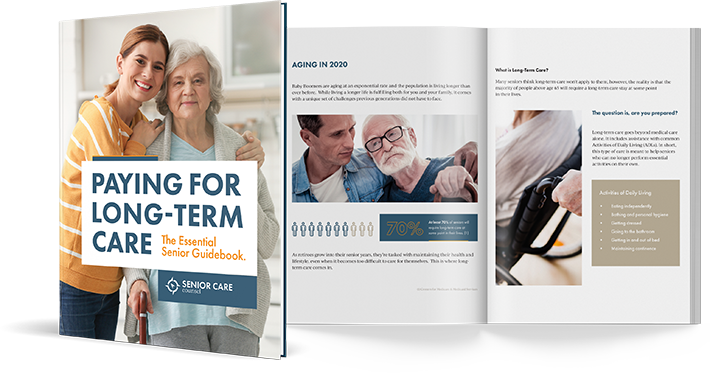
[FREE] GET OUR PLANNING GUIDE:
"Paying for Long-Term Care - The Essential Senior Guidebook"This guide takes a deep dive into the landscape of long-term care and how to pay for it without going broke, including the answers to your top questions surrounding Medicaid.
GET MY COPY